BetJili Table Game readers need to understand one thing first: blackjack, baccarat, roulette, and casino poker do not use the same winning conditions. A strong-looking hand may lose, a tied result may return a stake, and a payout figure may describe profit rather than the full amount returned. This Table Game guide explains each format from deal to payout.
Beat the dealer without busting
Where the ball lands
Player, Banker, or Tie
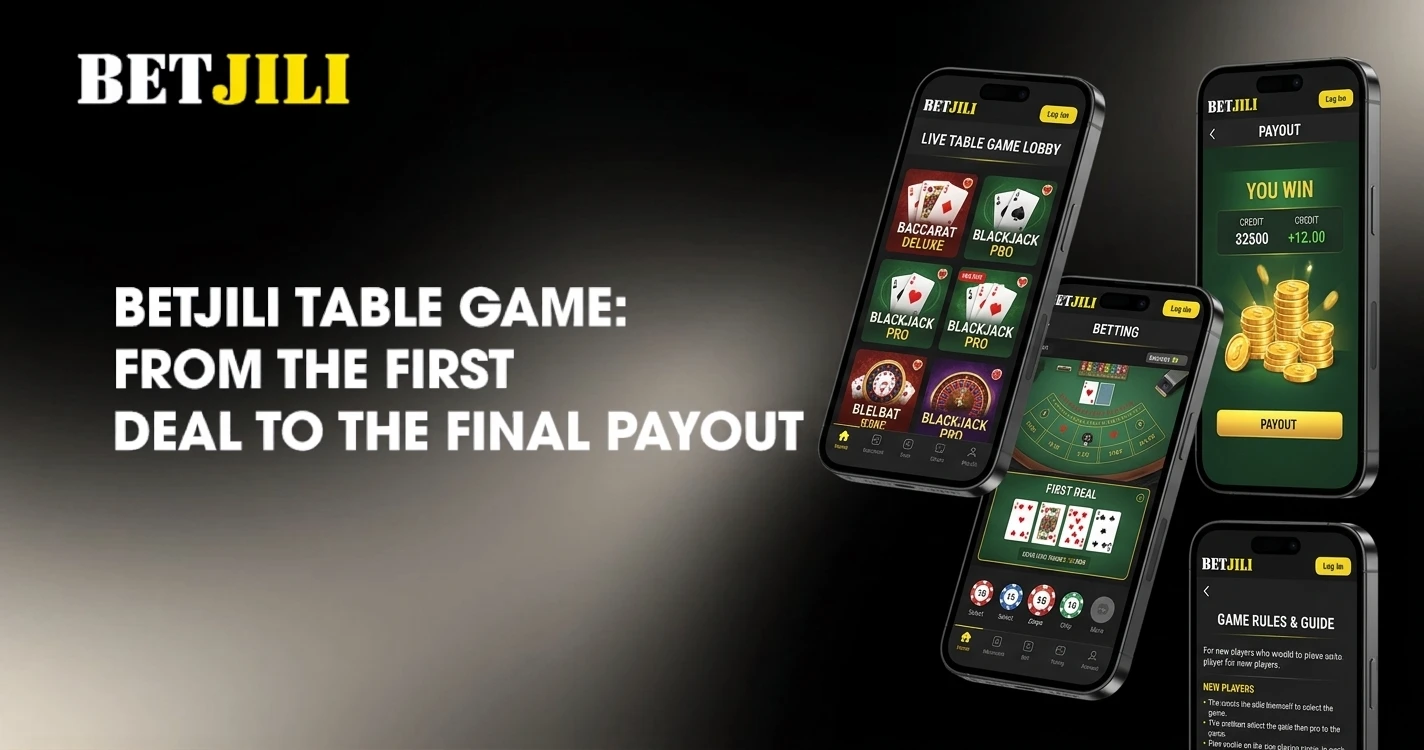
The marked spaces on a casino table represent separate wagers. Placing chips on a single roulette number asks a different question from selecting a color. In baccarat, a wager on Banker follows different conditions from a wager on Tie.
A useful way to understand any BetJili Table Game listing is to connect three details: what was selected, what happened, and which rule applies. For example, a blackjack hand totaling 20 looks strong. It can still lose against a dealer's 21. A roulette spin landing on zero produces a clear result, but it does not count as a winning red, black, odd, or even selection.
BetJili's current Table Game catalog and providers have not been confirmed for this guide. The explanations below cover common Table Game formats; they are not a verified list of titles available on the platform. For a live-dealer version of these Table Game titles, see the live dealer versions available on the platform.
| Table Game Format | What the Main Wager Measures | Detail That Can Change Settlement |
|---|---|---|
| Blackjack | Whether the player beats the dealer without busting | Natural blackjack rules, ties, and dealer behavior |
| Baccarat | Whether Player or Banker has the higher final value | Commission and special Banker outcomes |
| Roulette | Where the ball lands on the wheel | Wheel configuration and zero rules |
| Casino poker variants | A hand's result under the named variant | Dealer qualification and additional wagers |
Blackjack normally compares the player's hand with the dealer's. The goal is to win that comparison without exceeding 21. Number cards carry their face values, picture cards count as ten, and an ace can count as one or eleven.
A natural blackjack generally consists of an ace and a ten-value card in the first two cards. A three-card hand totaling 21 is usually an ordinary 21 rather than a natural. Split-hand exceptions and other conditions depend on the version. That difference matters because a natural may receive a special payout in this Table Game format.
A ₱200 stake produces ₱300 profit plus the returned ₱200 stake.
The same ₱200 stake produces ₱240 profit plus the returned ₱200 stake.
For a BetJili Table Game blackjack description, the natural payout should be checked alongside the dealer's rules, splitting conditions, and doubling restrictions. A familiar Table Game layout does not establish that those rules are identical across versions.
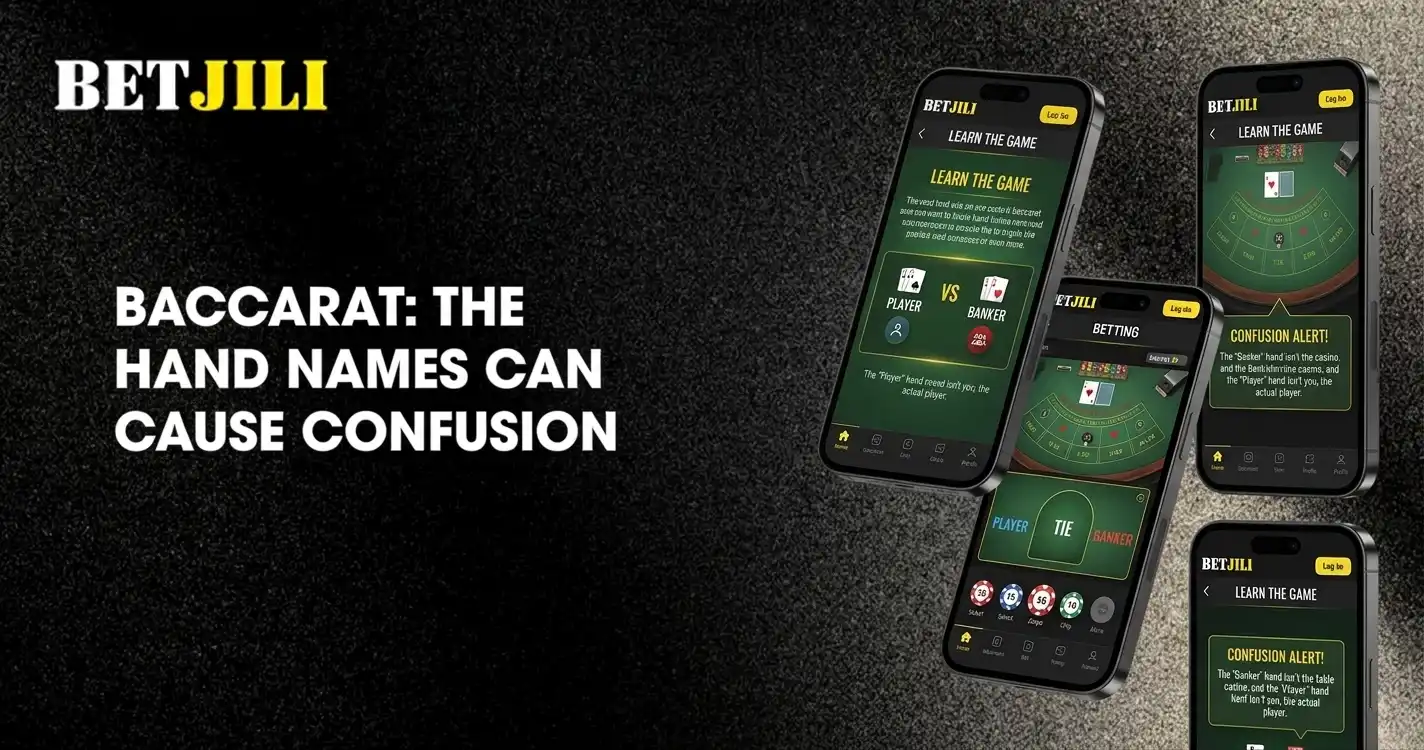
Player and Banker are labels for two baccarat hands. Choosing either label does not give someone control over how that hand receives cards. This is one of the most misunderstood parts of any Table Game.
In standard baccarat, the final digit of the card total determines the hand value. A total of 17 counts as seven. Tens and picture cards count as zero, while an ace counts as one. The hand closest to nine wins after any required drawing is completed. Additional cards follow a fixed set of rules.
The payment conditions need separate attention. A common commission version pays a successful Banker wager at even money before deducting a stated commission. Under a hypothetical 5% commission, a ₱200 Banker win produces ₱190 profit and returns the original stake. Every Table Game variant has its own payout structure, so check before playing.
No-commission versions may apply different treatment to particular Banker results. Removing a commission does not necessarily mean that every winning outcome pays the same amount. When reviewing BetJili Table Game information, check how a tie affects each wager.
Roulette settles wagers according to the pocket where the ball lands. The layout groups those pockets into selections with different coverage and payouts.
A single-zero wheel contains 37 pockets: numbers 1 through 36 and zero. A double-zero wheel contains 38 because it adds 00. This difference affects the chance of landing on a particular number. On a fair single-zero wheel, a specific number occupies one of 37 possible pockets. On a fair double-zero wheel, it occupies one of 38. The wheel's extra pocket matters even when the displayed payout for a single-number win remains unchanged.
Single-zero wheel with 37 pockets total.
Adds 00 for 38 pockets total.
Zero also needs careful reading. It is not a winning result for standard red/black or odd/even wagers. Some roulette versions offer special rules for certain wagers when zero appears, so the exact instructions remain important. A history panel showing previous colors cannot establish what the next independent spin will produce.
Casino poker variants can differ substantially from poker played against other participants. Some compare a hand with the dealer's. Others award payments for qualifying combinations. Depending on the variant, the round may involve an ante, a later play wager, or a decision to fold.
Imagine a hypothetical game that begins with a ₱100 ante and requires a ₱200 play wager to continue. Completing the hand would place ₱300 at risk. Describing it as simply a "₱100 game" would leave out a material condition. Dealer qualification can also affect settlement. A dealer who fails to qualify may trigger different treatment for the ante and play wager.
For BetJili Table Game poker content, the variant's full name is essential. Knowing that a flush beats a straight does not explain all the financial conditions of the round. Standard hand rankings and rules are published by Bicycle Cards as a general reference.
A payout ratio generally describes profit on a winning stake. The original stake is then returned separately unless the stated rules provide otherwise. For example, a ₱100 win at 2:1 normally produces ₱200 profit and ₱300 total returned. This basic Table Game math applies across formats, but commission and side bets can change the final amount.
| Winning Stake | Payout | Profit | Total Returned |
|---|---|---|---|
| ₱100 | 1:1 | ₱100 | ₱200 |
| ₱100 | 3:2 | ₱150 | ₱250 |
| ₱100 | 2:1 | ₱200 | ₱300 |
| ₱100 | 35:1 | ₱3,500 | ₱3,600 |
These are calculation examples, not BetJili Table Game payout quotations. Commission, split outcomes, special rules, and promotional stakes can require different calculations. A larger ratio also says nothing by itself about how often the qualifying result occurs. The payout and the probability must be understood together.
A side bet may sit beside the main wager while depending on a completely different event. In a card-based Table Game, it could concern an opening combination rather than the final comparison with the dealer. That means the main wager and side bet can settle differently during the same round.
Optional does not mean cost-free. Side bets add to the total amount exposed, and their probabilities and house advantage can differ from those of the main wager. Every Table Game session has its own cost structure.
A live-dealer Table Game uses a broadcast to show the action. A software Table Game presents its results through a digital interface. Both formats still require accepted wagers and recorded settlements.
A chip displayed during a selection window may represent an intended wager rather than a confirmed one. Confirmation messages and transaction history help establish what the system accepted. If the screen freezes, do not assume the underlying round has stopped or that a refund is automatic. Connection problems and incomplete rounds must be handled according to the specific Table Game's rules.
Table Game limits usually apply to particular wagers or positions. Adding a main stake, a side bet, and another required wager can make the total round cost higher than the first amount selected.
Track the complete amount staked and returned. Several successful rounds can still leave a net loss if the losing stakes are larger. Understanding BetJili Table Game mechanics helps explain results; it does not guarantee profit.
Set a spending limit, keep essential expenses separate, and avoid increasing stakes to recover losses. If gambling begins to interfere with daily responsibilities, stop and seek support. The most useful question at any Table Game is straightforward: what must happen for this exact wager to win, and what will the rules pay if it does?